Technique Classes: Building the Foundations
Technique classes form the foundation of a performer’s training. For actors, this includes voice, speech, movement, and physical awareness; for dancers, ballet, contemporary, jazz, and conditioning classes are essential.
These classes are structured to develop precision, stamina, and consistency. Key focus areas include:
- Actors:
- Breath control and vocal projection
- Articulation and clarity of speech
- Physical awareness and expressive movement
- Improvisation and scene study
- Physical theatre exercises to enhance presence and adaptability
- Dancers:
- Alignment, balance, and flexibility
- Core strength and overall conditioning
- Coordination and musicality
- Daily practice in classical and contemporary techniques
- Expressive intent and emotional embodiment through movement
Technique classes are often rigorous and repetitive, requiring focus and discipline. Yet, repetition is not rote; it cultivates muscle memory, artistic sensitivity, and the ability to perform consistently under pressure. For both actors and dancers, these classes provide the physical and technical tools necessary to meet the demands of performance while supporting artistic creativity.
Rehearsals: Refining Performance Through Practice
Rehearsals are where training begins to meet performance. They provide structured time for performers to apply technique, explore character or choreography, and integrate their work with peers.

Key elements of rehearsal include:
- For Actors:
- Scene work, blocking, and timing
- Developing character arcs and emotional depth
- Adjusting performance for stage or screen under director guidance
- Experimenting with delivery, movement, and interpretation
- For Dancers:
- Learning and perfecting choreography
- Ensemble synchronization and spatial awareness
- Repeated practice to achieve precision and cohesion
- Integrating musicality and expressive intent
Rehearsals are also spaces for experimentation. Performers test new ideas, take creative risks, and learn to respond to the evolving dynamics of the ensemble. Feedback from instructors, directors, and peers helps refine performance, highlighting areas for growth while encouraging confidence in artistic choices.
Creative Labs and Workshops: Experimentation and Exploration
Creative labs and workshops complement traditional training by encouraging experimentation. These settings allow performers to explore new movement vocabularies, acting techniques, or collaborative approaches without the immediate pressure of a formal performance.
Improvisation, devised theatre, and composition exercises cultivate spontaneity, problem-solving, and adaptability. Students may work in cross-disciplinary teams, integrating music, multimedia, or visual design into experimental performances. These labs foster innovation, encouraging performers to question conventions and develop a unique artistic voice.
Workshops often feature guest artists, offering exposure to diverse methodologies and perspectives. This enriches training, providing insight into professional practice and expanding the creative toolkit of emerging performers.
Feedback and Reflection: Developing Critical Awareness
Constructive feedback is a central part of the training process. Instructors, peers, and directors provide guidance on technical execution, artistic interpretation, and collaborative engagement.
Reflection allows performers to internalize feedback, identify strengths, and address areas for improvement. This iterative process develops critical self-awareness, resilience, and a commitment to continuous growth. For students, learning to accept and act upon feedback is as important as mastering physical or vocal technique.
Journaling, self-assessment, and group critique sessions encourage thoughtful reflection, reinforcing both personal and artistic development. Over time, performers learn to balance self-criticism with confidence, cultivating a professional mindset necessary for the demands of live performance.
Physical and Mental Demands
Training is physically demanding. Daily classes, rehearsals, and performances require strength, endurance, flexibility, and injury prevention strategies.
Physical demands include:
- Building strength, stamina, and endurance through conditioning
- Maintaining flexibility and alignment for safe and precise movement
- Injury prevention via stretching, cross-training, and proper technique
- Sustaining energy for long rehearsals and live performances
- Developing physical expressivity to convey emotion and character
Equally important are the mental demands of training.
Mental demands include:
- Maintaining concentration and focus throughout classes and rehearsals
- Regulating emotions to convey authentic performance
- Cognitive flexibility for memorizing lines, choreography, and cues
- Managing performance anxiety and stress during rehearsals and live shows
- Using mindfulness, meditation, and rest to support overall well-being
Balancing these physical and mental requirements ensures that performers remain healthy, resilient, and able to sustain artistic excellence throughout their training and careers.
Emotional Engagement and Artistic Expression
Performance is deeply emotional work. Actors inhabit characters’ lives, dancers embody narratives, and all performers communicate emotion to audiences. Training nurtures the ability to access, manage, and convey complex feelings authentically.
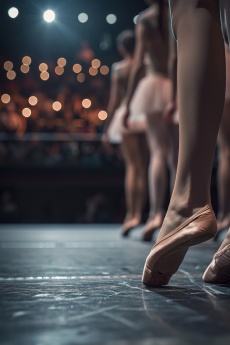
Emotional engagement in rehearsal and class helps performers connect with their own experiences while remaining attuned to ensemble dynamics. Exercises in empathy, improvisation, and role-playing expand emotional range, deepening expressive capacity. This emotional literacy is essential for creating nuanced, compelling performances that resonate with audiences.
Collaboration: Learning to Work as a Team
Collaborative teamwork lies at the heart of the forming arts training domain. When working in ensembles, students share creative duties and react to one another's choices. Being active in communicating, listening well to one another, giving feedback, and coaxing into skillful partnership are all supremely essential life skills for anybody entertaining hopes to take up this place in tomorrow's professional world.
The ensemble exercises serve as excellent opportunities to work on timing, space orientation, and listening techniques, whereas... group choreography and various scene-building exercises give a work setting to refine collaborative decision-making behavior. Through articulation of motion artists wonder at symmetries of faith and love, boosting collective dynamics, providing a distinct ambiance where experimenting and taking risks are alluded to. These experiences build a fabric almost identical to what the professional domain provides, where efficient teamwork is the propelling force behind virtuous achievement.
Cross-Disciplinary Exposure
Modern performance increasingly values versatility. Training programs often encourage exposure to multiple disciplines, actors may take dance or movement classes, while dancers explore improvisation or theatre techniques. Designers and production students may participate in performance labs to understand the needs of performers.
Cross-disciplinary training broadens artistic perspective and fosters adaptability. Students learn to communicate across fields, anticipate challenges, and contribute creatively beyond their primary specialty. This holistic approach prepares performers for the collaborative and hybrid nature of contemporary professional work.
Time Management and Discipline
Managing time effectively is a critical skill for students in performing arts programs. Daily schedules often include multiple technique classes, rehearsals, creative labs, and study sessions, alongside administrative responsibilities like research, note-taking, and portfolio preparation.
Discipline and organization are essential. Students must balance physical conditioning, skill development, and mental preparation while meeting deadlines and maintaining artistic standards. Cultivating these habits during training establishes a foundation for professional practice, where similar demands are constant.
Exposure to Professional Practice
Exposure to various professional practices forms a major cohesive strategy in training programs. Performers thereby expose themselves to a showcase scene, a community project, or an internship with a local theatre company or a commercial dance ensemble. Watching professional rehearsals, attending master classes, and meeting visiting artists enhance one's understanding of actual world experiences and standards.
Seeing first-hand the industry environment allows students to understand the stages in career pathways, demands of touring or schedules of performance, and the collaborative processes upholding artistic production. It further provides networking opportunities, mentorship, distinctions, and thus builds primarily that confidence that turns them to professionals.
The Role of Performance
Ultimately, training culminates in performance. Presenting work to an audience tests technical skill, expressive ability, and ensemble cohesion. Performances, whether formal productions, showcases, or experimental labs, provide critical feedback, build confidence, and allow performers to experience the immediacy of live art.
The process of preparing for and executing performance reinforces all aspects of training. It integrates technical, physical, emotional, and collaborative learning, highlighting the interconnectedness of the various disciplines and skills cultivated throughout the student’s journey.
Lifelong Learning and Growth
Training is not confined to formal education. Performance arts demand lifelong learning, experimentation, and reflection. Even after graduation, performers continue classes, workshops, and professional development to refine technique, explore new approaches, and respond to evolving artistic trends.
The habits cultivated during formal training, discipline, collaboration, adaptability, and critical self-reflection, support ongoing growth. Students who embrace this mindset enter the professional world prepared to sustain artistic excellence while navigating the challenges and opportunities of a dynamic creative landscape.
The Performer’s Journey
The training is an early stage in the lifetime of a human being, an enriched process that combines not just artistic training, but training in technique, training in creativity, training in collaboration, and training in self-awareness. Practice, rehearsal, feedback, and performance shape mastery in technique and the emotions housed within professional discipline.
In sum, the working process of combined training experiences guarantees that artists are adaptive, thoughtful, enduring, and committed. Insight gained about what it means to take on artistic training is a guide and a reminder for the probable rigor and eventual rewards of any career within the disciplines of theatre, dance, and performance. The journey of training is both part of the preparation for performance and a road toward personal and artistic maturation-bringing into existence a performer who can bring forward ideas of substance into the ever-changing realm of live performance.
Quick Links
The great playwright, Henrik Ibsen, was born on this day in 1828:
— Poetic Outlaws (@OutlawsPoetic) March 20, 2024
"I don't imagine you will dispute the fact that at present the stupid people are in an absolutely overwhelming majority all the world over." pic.twitter.com/odyRNTZH0R
With the kind support