Concept and Script Development
Every production starts with an idea. Whether it is a scripted play, a dance narrative, or a devised performance, the initial concept forms the foundation for all subsequent work.
For theatre, script development involves selecting or writing a text, identifying themes, and shaping character arcs. Playwrights, directors, and dramaturgs collaborate to ensure the narrative is coherent, compelling, and engaging for the audience. For dance or movement-based work, choreographers may develop a concept inspired by emotion, music, or social themes, experimenting with movement vocabulary to communicate a story or feeling.
Key tasks during this stage include:
- Defining central themes and artistic vision
- Researching historical, cultural, or contextual material
- Outlining the structure, duration, and flow of the performance
- Engaging performers early in collaborative projects
- Iteratively refining ideas based on feedback and experimentation
This stage establishes clarity and direction, ensuring all team members share a common understanding before moving into rehearsal and design phases.
Movement and Performance Creation
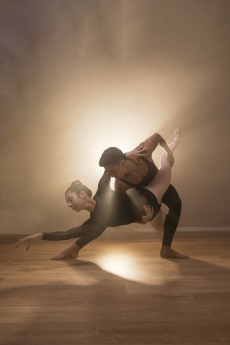
Once the concept is established, performers and choreographers begin developing the physical content of the work. This is where abstract ideas start to take tangible shape.
Actors explore character, motivation, and emotional arcs through scene work, improvisation, and physical exercises. Dancers and movement-based performers experiment with gestures, spatial patterns, and choreography to convey narrative or emotion. Movement labs and experimentation spaces allow performers to test ideas, refine timing, and discover expressive possibilities.
Collaboration is essential:
- Performers contribute interpretive ideas to enhance the work
- Directors and choreographers provide guidance and structure
- Iterative experimentation encourages innovation while keeping the production’s goals in focus
Through this process, performers learn to connect technique, expressivity, and ensemble coordination, transforming concept into live action.
Design and Technical Planning
While performers focus on content, designers and technical teams plan the production’s visual and auditory environment. Costume, lighting, set, and sound design all shape the audience’s experience and support the performers’ work.
During this stage:
- Designers conceptualize scenery, props, and costumes aligned with the artistic vision
- Lighting and sound designers plan cues to enhance mood and highlight key moments
- Stage mechanics, rigging, and spatial logistics are arranged for safety and efficiency
- Collaboration with performers ensures that movement and design elements complement each other
Technical elements may also include multimedia, projections, or interactive digital effects. Early integration of design prevents conflicts later and ensures the performance is cohesive, visually compelling, and technically smooth.
Rehearsals: Refining Performance

Rehearsals are where preparation meets execution. This is the stage where performers, directors, and designers integrate movement, acting, and technical components.
Key elements of rehearsal include:
- Actors: Scene work, blocking, timing, and emotional depth
- Dancers: Choreography, ensemble synchronization, and spatial awareness
- Collaboration: Experimenting with interpretation, receiving notes, and adjusting performance choices
- Integration: Incorporating props, costumes, and technical elements gradually
Rehearsals are iterative. Performers refine their execution, directors and choreographers provide feedback, and designers adjust lighting, sound, or set elements. This collaborative process ensures the work is polished and aligned with the production’s vision.
Technical Rehearsals
Technical rehearsals simulate full performance conditions, testing the integration of all design and technical elements.
Focus areas include:
- Timing cues for lighting, sound, and scene transitions
- Ensuring props, sets, and costume changes support performers’ movement
- Coordinating multimedia effects and ensuring reliability
- Adjusting spatial awareness for performers to interact safely with the environment
These sessions are often the most challenging, requiring patience, precision, and strong communication. Mistakes are treated as opportunities to problem-solve, ensuring the final performance runs smoothly.
Dress Rehearsals and Previews
Dress rehearsals are complete, uninterrupted runs of the performance, replicating actual audience conditions. They allow teams to assess pacing, cohesion, and technical precision.
During this stage:
- Performers fine-tune timing, energy, and transitions
- Technical teams verify cues and effects
- Directors evaluate overall narrative clarity and audience impact
Preview performances with small audiences may also be used to gather feedback before opening night. These rehearsals are crucial for final adjustments and performer confidence.
Live Performance
The culmination of all preparation is the live performance. On stage, performers bring months of work to life, connecting with audiences through movement, voice, and presence.
During performance:
- Performers deliver technical and expressive work under pressure
- Ensemble members maintain coordination and adapt to unforeseen changes
- Technical teams execute cues flawlessly, supporting the narrative
- Audience engagement adds immediacy and energy to the performance
The live performance validates the collaborative effort, showcasing the results of creative, technical, and disciplined work.
Collaboration and Communication
Every successful production is predicated on collaboration as the linchpin. This necessitates openly communicating, respect that all participants show to each other, and altruism about changes evolving within the production. Collaboratively, the performers and designers, directors, and technicians are all working toward a single goal, sharing idea feedback and changing according to the vital needs changing moment by moment. Frequent meetings and unobstructed channels of communication help to point creative and technical interests in the same direction by agreeing amongst themselves about the idea encapsulating it and what its various integral components relate to.
One creation theory is to value the likeness of visions during the team's meetings and indulge in an environment that allows acceptability to the emergence of new thoughts while camaraderie continues to strengthen within any dynamics. The support of elasticity has been seen as an element whose presence sometimes march with the disturbances that can appear extemporaneously throughout the rehearsal or out of premeditation; these unseen challenges may call for quick thinking and cooperation. Effective collaboration enables not only the smooth functioning of the production process but also the growth of a perennial bond between members of the team. The meeting of the artistic and technical contexts allows the production to occur simultaneously and synergistically-further increasing the elegance and strength of its impact, which would otherwise have been impossible without combined effort and mutual responsibilities.
Post-Performance Reflection

Once the performance concludes, reflection becomes a vital step in the artistic process. Performers and creative teams analyze their work, considering both successes and areas for improvement. This reflection often begins with an evaluation of technical execution, timing, and ensemble coordination, followed by discussion of audience reactions and overall engagement. Creative decisions are reviewed to assess how effectively they communicated the intended story or emotion, providing insight for future projects.
Reflecting on lessons learned helps performers refine their craft, while celebrating individual and collective achievements reinforces morale and motivation. This process fosters professional growth and encourages continuous development, emphasizing that learning does not end with the final curtain. By thoughtfully examining each aspect of the production, artists cultivate a mindset of self-awareness, adaptability, and refinement that strengthens their skills and prepares them for future challenges in performance and creative collaboration.
The Impact of Production Work
Conducting a performance goes far beyond developing artistic skills; it imparts valuable professional skills like time management, problem-solving, and resilience to performers. During the intensive nature of rehearsals, technical rehearsals, and performance days, a comfortable blend of confidence and adaptability is developed, thereby nurturing the concept of collaboration within the diverse, interdisciplinary team. A performance has real import in that every time a performance is put on, the audience could view it as a way of communicating a journey, insights, and conclusion apart from the 'here and now' boundary of the stage.
In conclusion, the amalgamation of movement, text, pattern, and technical excellence ensures the intended artistic vision forthright is effectively carried and exhibited to the capability of live performance changes. Through successfully (and not so successfully, in some instances) making the ability to entrust the playing field of performance works, performers are not only equipped with technical mastery but also an understanding of how creative intent and audience experience continue to shape and reshape one another. This total influence strikes back at the contributing mucj importance the performing arts have, apart from onstage and behind-the-scenes performing artists will obtain both capacity for personal growth and a lasting love and appreciation for their work in the hearts of those who witnessed it.
From Studio to Stage
The journey from initial concept to live performance is a complex and collaborative endeavor. Every step, concept development, movement creation, design planning, rehearsals, technical preparation, and the final presentation plays a crucial role in shaping the finished work. Through disciplined effort, sustained creativity, and clear communication, performers, directors, designers, and technicians transform abstract ideas into compelling live experiences. The rehearsal process refines timing and expression, while technical and design elements are integrated to support narrative and movement.
Live performance arts tests the performers’ abilities to deliver consistently while responding to the energy of the audience. Each stage reflects the precision, artistry, and teamwork necessary to bring a production to life. When successfully executed, the culmination of this process leaves a lasting impression, demonstrating how collaborative dedication transforms vision into reality and highlights the power of performance to engage, move, and inspire audiences.
Quick Links
The great playwright, Henrik Ibsen, was born on this day in 1828:
— Poetic Outlaws (@OutlawsPoetic) March 20, 2024
"I don't imagine you will dispute the fact that at present the stupid people are in an absolutely overwhelming majority all the world over." pic.twitter.com/odyRNTZH0R
With the kind support