Historical Foundations of Theatre and Dance
The origins of theatre and dance can be traced to ritual, storytelling, and community gatherings. Early performances often had religious or ceremonial purposes, blending movement, music, and spoken word to convey shared narratives.
In Western theatre, ancient Greek tragedies and comedies established foundational storytelling techniques, character archetypes, and performance conventions. Playwrights such as Aeschylus, Sophocles, and Aristophanes developed structures, like the chorus and the three-actor system, which influenced dramatic composition for centuries. In parallel, dance in societies worldwide served as both entertainment and spiritual expression, from Indian classical Bharatanatyam and Kathakali to African ritual movement and Indigenous ceremonies across the Americas. These early forms emphasized narrative, symbolism, and audience engagement, creating frameworks that would influence later artistic developments.
The Roman theatre continued the Western lineage, emphasizing spectacle, elaborate stage machinery, and public entertainment. Similarly, in East Asia, Chinese opera, Noh and Kabuki theatre in Japan, and Korean mask dance-drama developed distinct conventions blending music, gesture, and stylized performance. These diverse traditions illustrate that performance has always been a reflection of societal values, ritual practices, and shared storytelling.
Theatre in the 19th and Early 20th Centuries
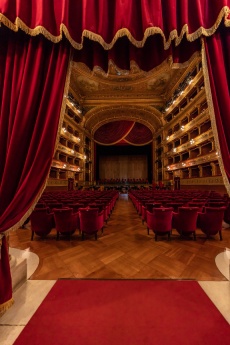
The 19th century saw theatre expand in both scale and diversity. Realism emerged as a dominant form, emphasizing lifelike representation, natural dialogue, and complex character psychology. Playwrights such as Henrik Ibsen and Anton Chekhov explored social issues, family dynamics, and moral dilemmas, shifting theatre from spectacle toward reflective storytelling.
Meanwhile, the 19th century also witnessed the rise of melodrama and operetta, which entertained audiences through heightened emotion, music, and spectacle. Theatre became more accessible to the growing urban population, while advances in gas and electric lighting transformed stage design and allowed for more precise visual storytelling.
Dance evolved in parallel, particularly through ballet, which codified movement vocabulary, training methods, and performance standards. Romantic ballet emphasized narrative storytelling and ethereal imagery, while classical ballet perfected technical precision and ensemble cohesion. Meanwhile, early modern dance pioneers like Isadora Duncan, Loie Fuller, and Ruth St. Denis rejected rigid forms in favor of natural, expressive movement inspired by human emotion, nature, and mythology. These tensions between structure and innovation laid the groundwork for contemporary experimentation.
The Rise of Multidisciplinary Performance
Towards the middle of the 20th century, artists started blending theatre, dance, music, and visual arts. Experimental theatre and contemporary dance questioned conventional narrative thought and even saw abstract movement combining improvisation with multimedia elements.
For instance, the Idaho-born Merce Cunningham Dance Company created something with composer John Cage and visual artist Robert Rauschenberg that let sound, dance and design be distinct but also work together in a highly unpredictable manner. Jerzy Grotowski embraced a "poor theatre" stripped of elaborate sets and costumes in order to conductor focus entirely on the actor's physical and emotional presence, accentuating authenticity and humanity.
During the same period, the avant-garde theatres in the United States and Europe experimented with audience involvement, breaking the fourth wall and integrating elements from improvisation, site-specific works, and politically contentious subject matters. These innovations heralded cross-disciplinary partnerships that would ultimately inspire more and more artists through more and more generations to explore hybridity in storytelling.
Global Influences on Modern Performance
Contemporary performance is shaped by a rich tapestry of cultural exchange. Non-Western traditions have deeply influenced Western theatre and dance through travel, migration, and globalization.
Japanese Noh and Kabuki theatre inspired stylized movement, physical discipline, and minimalistic stagecraft. Indian classical dance contributed intricate gestures, rhythm, and storytelling techniques, while African dance and drumming influenced rhythmical and ensemble-based choreography in the West. Latin American and Caribbean folkloric dances informed both theatrical staging and contemporary dance vocabulary.
This intercultural dialogue fosters creativity, challenges assumptions, and broadens the expressive potential of performance arts. Contemporary choreographers, directors, and multimedia artists increasingly incorporate cross-cultural practices, emphasizing that performance is not bound by geography but enriched through global perspectives.
Technological Innovation and Stagecraft

A great shift has been made in the technologies' domain in regards to performance. With the existence and advancement of technology, visuals have cut across the dimension of the fourth wall, making artists able to make the space, time, and atmosphere entirely new by means of lighting, sound amplification, stage automation, and digital projection.
Theatre design embraces some new stars and techniques, together with motorized fly systems serving as an essential part of dynamic scene changes and incredibly visual effects, advanced rigging that can adapt to οr at times at the exact same time2. At the same time, LED lighting has given designers more flexibility to manipulate the way lit forms and create complex and starkly beautiful visual imagery. In the field of dance, things such as motion capture, projection mapping, and interactive video heaters have integrated live performers with digital media and thus have created quite immersive environments. Technologically enhanced performance not only expands the aesthetic possibilities but also vastly increases the possibilities of narrative. In raising technology, artists are enabled to visualize abstract concepts and manipulate audience perception in real time.
Digital innovation has also broadened accessibility. Live streaming, augmented reality experiences, and interactive apps allow audiences all over the world to engage with performances, thereby expanding the cultural touch or influence. However, integration of technology necessitates collaborative effort from artists and technicians to ensure that artistic effort drives technology towards providing adequate support for storytelling rather than taking over in and out of context.
Experimentation and Risk-Taking
Modern performance thrives on experimentation. Artists continually test new forms, narratives, and movement vocabularies, often challenging audience expectations.
Postmodern dance, performance art, and experimental theatre exemplify this ethos. Pina Bausch merged dance and theatre to explore emotion and social commentary, while Robert Wilson’s minimalist staging emphasized visual composition, temporal exploration, and stylized gesture. Performance artists like Marina Abramović questioned the boundaries of endurance, presence, and audience participation, redefining what constitutes live performance.
These experimental practices underscore the importance of risk in artistic evolution. By challenging norms, artists keep performance arts relevant, dynamic, and provocative. Innovation often emerges at the intersections of disciplines, creating new methods, forms, and modes of engagement.
Shifting Perspectives on Narrative
Theatre and dance have reached a point where movement frequently surpasses linear storytelling. These denote unconventional narratives, fragmented structures, abstract movement that would give audiences the possibility to further interpret the meaning.
Multi-layered storytelling or different timelines, with simultaneous actions running across the space of the stage - all of these things directors and choreographers are playing with. Space-and-time narratives dissolve into futures where soundscape, integration of multimedia projection, and interactivity are gradually gaining significance with regard to the exercises being performed. The shift towards multi-dimensions and emphasis on ever-increasing interpretations merge contexts subjected to the greater scope of such-in terms of aesthetics-that a single one-context-based interpretation is rendered meaningless to the readers.
Training and Education Across Disciplines
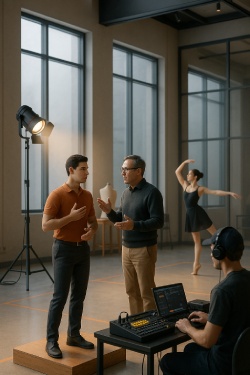
The evolution of performance arts has influenced how practitioners train. Conservatories, university programs, and professional workshops emphasize cross-disciplinary skills, reflecting the hybrid nature of contemporary practice.
Actors study movement, dance, and voice alongside traditional text-based training. Dancers explore improvisation, choreography, and theatrical expression. Designers and production specialists gain experience across lighting, sound, multimedia, and stage management. Workshops, mentorship programs, and professional residencies provide hands-on experience, preparing students for collaborative, interdisciplinary environments.
This integrated approach ensures that emerging artists are adaptable, technically proficient, and ready to contribute creatively to evolving performance practices.
The Role of Collaboration
Collaboration is urgently central in current performance. Directors, choreographers, performers, designers, and technicians co-create, and share ideas, agreeing and even dedicating themselves to accepting and surviving in response to emerging artistic challenges.
The interdisciplinary team enables richer storytelling and innovative stagings and the art of blending several perspectives together. Good collaborations rely on three main factors: communication, flexibility, and problem-solving skills upon which particular emphasis must be laid. In contemporary practice, process-led creation corrodes the existing hierarchical models to display cooperation in art and declares that collective creations are shared endeavors in that each party is influential to the end product.
Site-Specific and Immersive Work
Recent decades have seen a rise in site-specific and immersive performance. Artists stage works outside traditional theatres, in public spaces, museums, galleries, and urban environments, inviting audiences to engage directly with the performance.
Immersive experiences may break the fourth wall, encourage participation, or reimagine audience-performer relationships. Site-specific work requires adaptability and context-awareness, as performance must respond to architecture, environment, and social space. This evolution highlights the increasingly fluid relationship between audience, space, and performance.
Social and Cultural Relevance
Performance arts continue to respond to social, political, and cultural developments. Theatre and dance address issues of identity, inequality, and environment, often engaging audiences in dialogue and reflection.
Community-based projects, educational initiatives, and participatory performances extend the reach of contemporary practice. Many artists work with marginalized voices, incorporate activism, and explore cultural heritage. Socially engaged performance reinforces the role of performance as a medium for communication, empathy, and cultural understanding, demonstrating its continuing relevance in modern society.
Emerging Trends and Future Directions
Contemporary performance arts are characterized by hybridization, innovation, and global dialogue. Digital integration, interdisciplinary collaboration, and experimental methodologies continue to expand the possibilities of theatre and daence.
Future trends suggest continued blending of mediums, interactive technologies, and participatory approaches. Performance will likely become more immersive, socially engaged, and accessible to wider audiences. Understanding these trends equips both practitioners and audiences to appreciate how performance arts evolve while maintaining cultural significance.
Influential Modern Artists
Several artists exemplify the evolution of contemporary performance. Pina Bausch’s Tanztheater Wuppertal merged dance and theatre to explore social and emotional landscapes. Robert Wilson’s visual compositions redefined spatial storytelling in theatre. Akram Khan combined contemporary dance with classical Indian Kathak, creating hybrid performances that resonate globally.
These case studies illustrate the blending of tradition, innovation, and global influence. They also demonstrate how individual vision, technical mastery, and interdisciplinary collaboration shape the development of modern performance arts.
Performance Arts as a Living Tradition
Through centuries of experimentation under global influence and technological progress, the modern performance art resembles an evolutionary pattern. Theatres and dances have evolved from their ritualistic beginnings to an informed, hybrid form, opening up fairly new ways for the spectator to view them.
From realism and more classic forms of ballet to today's intermediate, technology-saturated environment, performance arts offer an ever-evolving picture of the ever-present human creativity and cultural expression. It is the monumental creative output by all parties concerned, excited to react, force art, and establish bonds between humanity in all time and place.
Quick Links
The great playwright, Henrik Ibsen, was born on this day in 1828:
— Poetic Outlaws (@OutlawsPoetic) March 20, 2024
"I don't imagine you will dispute the fact that at present the stupid people are in an absolutely overwhelming majority all the world over." pic.twitter.com/odyRNTZH0R
With the kind support